P – Pepperpot
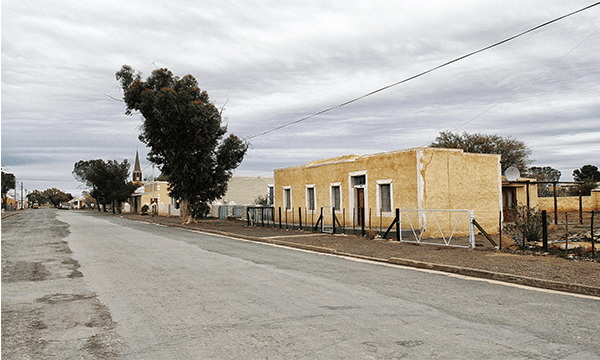
The six-sided structure, unique in South Africa, has become the symbol of Fraserburg. It was built by Adam Jacobs in 1861 and its bell was rung whenever fire broke out. In addition, it also rang nightly at 9pm (a sad fragment of South African history) as a curfew when all coloured people were expected to be out of the town. Even after the curfew was no longer required, the bell continued to be rung at this time until the 1950s.
P – Paragliding
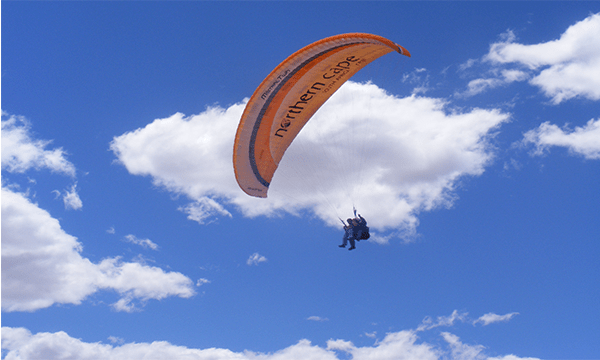
Soar on thermals that rise from the baking earth to the cooler cobalt skies supplying an ideal lift for paragliders.On a good day, it feels as if you can fly forever. Many world records have been set in De Aar and Kuruman where flights of up to 350km have been recorded. The Fly De Aar aerodrome site launches predominantly by winch, although mountain top launches are also possible.
O – Orange River
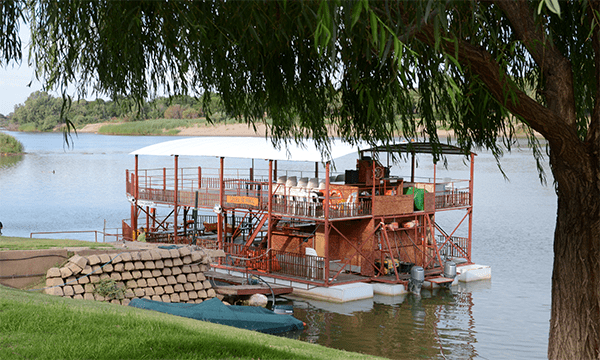
The mighty Orange River is one of the largest rivers in the country and provides a lifeline for this predominantly arid region. The river creates a virtual oasis along its banks and contributes to the vibrant agricultural community of the region. Ten percent of the country’s vineyards are located in the Upington region, which is also home to the award-winning Orange River Cellars, the second largest co-operative cellar in the world.
N – Nieuwoudtville
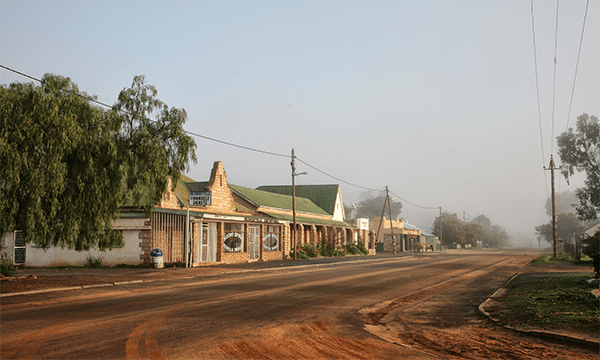
On the Bokkeveld escarpment, Nieuwoudtville is known for its unique vegetation with the biggest variety of indigenous bulbous plants in the world and the 100m high Nieuwoudtville Falls on the Doring River. The small town with its warm, sandstone buildings shelter in a well-treed hollow in a flat landscape covered by wheat, heather and proteas. Eight kilometres west of town, the Vanrhyns Pass offers majestic views over the Knersvlakte on the descent to Namakwa’s coastal terrace.
N – Namaqua National Park
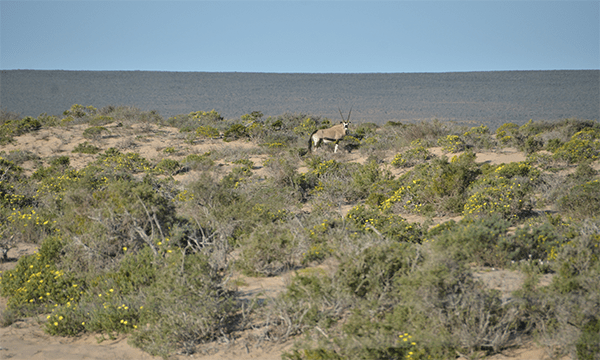
Butterflies hover, birds dart and bees shimmy and dance over the springtime flowers of the Namaqua. A kaleidoscope of colour weaves across the valley floor and spills over to the sandy coastline of the parks ‘Groenspoeg’ corridor. This is what you’ll find in the Namaqua National Park during early August and September.
L – Lift-Off
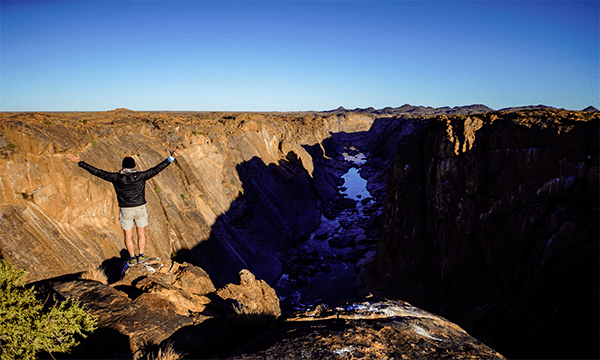
There are many ways to take to the endless blue skies of the Northern Cape and get a bird’s eye view of the landscape and its creatures. Whether you decide to take a charter plane, helicopter, hot air balloon, microlight or paraglide, the view from up there is truly breathtaking. Swoop over the Kalahari’s wildlife or float above the roaring Augrabies Falls and the canyon below.
K – Karoo
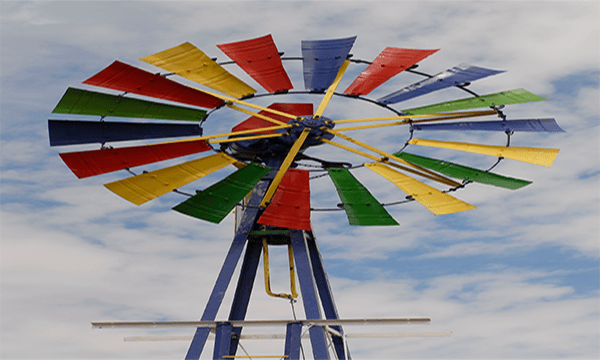
The seemingly arid Karoo region quickly transforms itself with the first summer rains into waving fields of grasses with picturesque scenes of grazing sheep and spinning windmills. Visitors are enticed by its distinctive Karoo architecture, impressive churches and desolate valleys between flat-topped koppies (hills). This region offers visitors the traditional warm hospitality of its people combined with superb hunting, hiking and game watching. Take time out to explore the little towns of the Karoo and discover a unique style of architecture. Most of the original town dwellings are simple structures with a prominent covered verandah as protection against the harsh sun. The more elaborate homes have traces of Victorian style, but still maintain a Karoo-like integrity. The usual windmill in the back garden also adds a typical Karoo authenticity to the buildings. Throughout this wonderful part of the great Karoo, you can visit, hunt or hike on game farms and nature reserves teeming with every species of antelope. Here the hardy inhabitants of the Karoo immediately make you feel at home in their beloved countryside.
I – Inkbospan
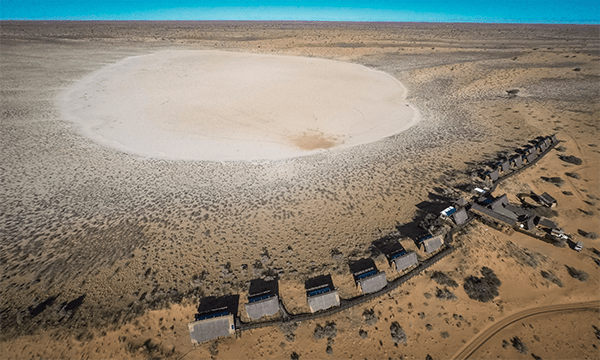
Inkbospan is one of the many pans found in the Northern Cape, these large flat areas of land are often dry and some of them (the salt pans near the coast) are mined for salt. Verneukpan is the pan on which the world’s last landspeed record was set and Hakskeenpan is where the Bloodhound SSC team is intent on setting the next world land speed record in 2013.
H – Hunting

The Northern Cape Hunters’ Association subscribes to and supports strict legislation governing hunting. It protects the wildlife while allowing hunters the freedom to enjoy a sport that brings them close to nature. Countless game lodges and farms, mostly in the western regions from the Kalahari to the Karoo, offer accommodation from rudimentary to opulent safari lodges. Most offer guides and trackers, skinning, cutting, cooling and taxidermy services. Whether you’re trophy hunting, scouting venison for the pot, in search of biltong (a traditional, dried-and-spiced meat), or seeking a brace of guinea-fowl or francolin, you will find the game to suit your talent and your taste. Widely considered as a hunting mecca, the Northern Cape presents hunters with unparalleled opportunities to track and bring down their quarry.
G – Green Kalahari
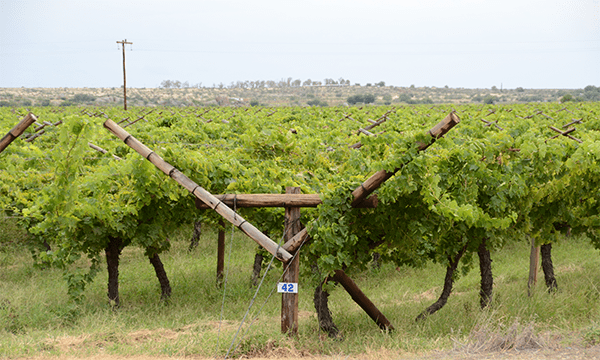
Vast tracts of bleak, shimmering semidesert contrast dramatically with lush green vineyards filling the Orange River’s fertile valleys. The massive body of water meanders through a giant valley of its making and the lifeblood to a myriad of farmers and communities. Today, you can travel peacefully from wine cellars to tearooms in the desert; from a luxurious lodge to the desolation of Verneukpan. Yet, not all is tamed. The mighty Kgalagadi Transfrontier Park, Africa’s first transfrontier park, comprises almost 3.7 million hectares of sparsely vegetated, red sand dunes and dry riverbeds.