Each year, from late July to early October, the arid plains of the Namakwa region in South Africa’s Northern Cape undergo one of nature’s most astonishing transformations. As winter gives way to spring, the dusty, seemingly lifeless landscape bursts into color, creating vast carpets of wildflowers that stretch as far as the eye can see. This annual floral display is not only a spectacular visual feast—it is one of the richest and most diverse natural flower events on Earth.
The flower season draws hikers, photographers, botanists, and curious travellers from around the world, all eager to witness this rare phenomenon. The region is best explored on foot, where winding trails take visitors through fields dotted with daisies, succulents, and countless endemic species. Self-drives, guided walks, and photographic tours are available to help guests experience the full scope of the bloom.
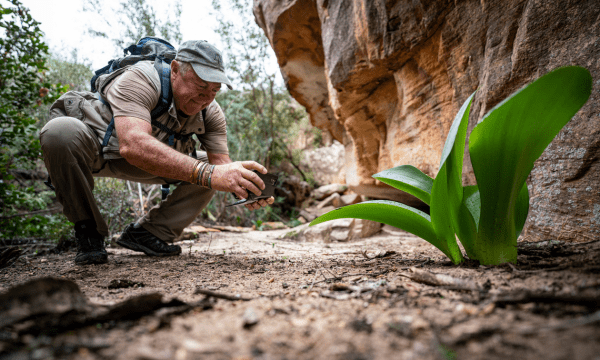
But Namakwa’s beauty is not limited to its flower season. Recognised as the world’s most biodiverse arid environment, the region is an ecological treasure. It is home to more than 6,000 plant species—many of which are endemic—alongside 250 bird species, 78 mammal species, and 132 species of reptiles and amphibians. It is also the richest bulb flora arid region on Earth, a status that reflects its extraordinary botanical diversity.
Beyond the blooms, visitors can enjoy the peaceful charm of Namakwa’s small towns, cultural heritage sites, and scenic drives through mountain passes and rugged valleys. The region offers year-round guided tours that showcase its plant life, geology, and unique ecosystems, even outside of flower season.
For nature lovers and adventurers alike, Namakwa is a destinati
on that surprises and delights. Whether you come for the world-famous wildflowers or stay to explore its deeper natural wonders, you’ll leave with a renewed sense of awe for the resilience and richness of life in even the most unexpected places.